Introduction
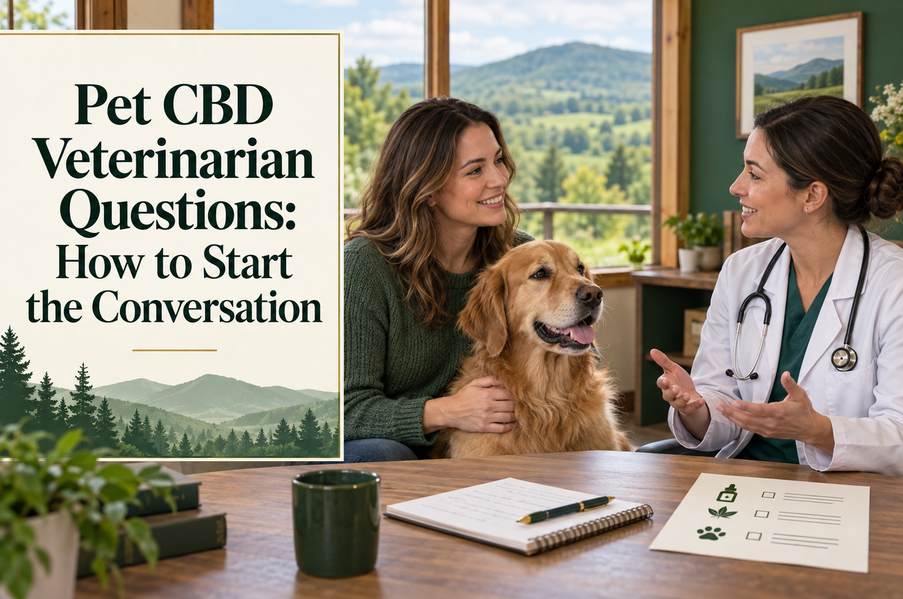
Pet CBD veterinarian questions can make a vet visit more useful. It also helps separate item claims from known facts. Bring the label, health records, and a short symptom log. Your vet can then check the full picture with you. This guide helps you prepare without giving dosing or treatment help.
Why the Vet Talk Matters
Pet owners can find many CBD items online today. Labels may look simple, yet key facts can vary. A vet knows your pet’s health history and current care plan. That context matters before you weigh any new aid. The U.S. Food and Drug Administration has not approved CBD for pets. It has not confirmed that retail pet CBD items are safe. The agency too has not confirmed their value for pet conditions. These limits make a vet talk very key. Research on CBD use in pets is still developing. Some studies examine narrow points under set conditions. Those data do not prove that every item works alike. They too do not replace help for one pet. Your vet can show what proof applies to your situation. They can too identify risks linked to age or illness.
Prepare Before the Visit
Good preparation keeps the visit focused and useful. Gather facts before you arrive. Do not rely on memory during the visit. Write down why you are thinking about a CBD item. Describe the change you noticed in plain language. Note when it started and how often it occurs. Record anything that appears to improve or worsen it. Bring your pet’s current medicine and aid list. Add prescription drugs, nonprescription items, vitamins, and flea treatments. Add each item name, strength, and usual schedule. This list helps the vet check the full routine.
Bring the item Label
Bring the package or clear photos of every panel. The label should show the item name and net amount. It should too show parts, CBD content, warnings, and contact facts. If a batch number appears, add that detail too. check the Noah’s Ark Pet CBD formula page before your visit. Print the page or save it on your phone. Your vet may compare its facts with the package. Do not bring only a front-label photo. Sales words may hide key facts. The parts and use facts need equal care. A full label helps the vet spot odd parts.
Find the Current Lab Report
A lab paper is often called a COA. An outside lab makes it after lab checks a sample. The test may show shown CBD levels and other data. Match the test with the item batch when known. Check the item name and test date. Compare shown CBD and THC data with the label. Ask your vet which parts deserve attention. Green Mountain Hemp Company has an Analysis and COA library online. Find the matching pet test before the visit. A new test gives the talk a sound base.
Pet CBD Veterinarian Questions to Ask
A prepared question list can reduce confusion. It also helps you use visit time well. Start with broad safety points. Then discuss your pet’s own health facts. Ask whether CBD is reasonable to discuss for your goal. Ask what proof supports or limits that talk. Your vet may suggest another check or care path first. Stay open to that help. You can Also ask how CBD might fit with current drugs. The FDA continues to study known drug interactions. Your vet can show why that issue matters for your pet.
Ask About each pet Risk
Every pet has a unlike health history. Age, weight, breed, and current illness may change risk. Liver or kidney risks may too affect the vet’s help. Use direct points during the visit:
- – Does my pet’s health history raise special risks?
- – Could this item conflict with current drugs?
- – Should any health checks happen before a choice?
- – Which changes would require a prompt phone call?
- – When should we check the plan again?
These points invite a full response. They do not pressure the vet toward one answer. That approach supports a better working relationship. It too leaves room for new facts from the exam.
Ask What to Monitor
tracking should have a clear purpose. Ask which daily facts would be useful to record. Your vet may suggest tracking appetite, sleep, movement, mood, or gut health. Follow the measures they choose for your pet. Ask how often to make notes. A simple daily entry may be enough. Avoid changing several parts of the routine at once. Too many changes make patterns harder to grasp. Also ask what could count as an unwanted effect. FDA facts lists risks such as lethargy, drooling, vomiting, agitation, tremors, or seizures. Your vet can show what needs urgent help.
Share Your Pet’s Full Health Story
Small facts can change clinical help. Give the vet a full and honest history. Mention past reactions to drugs or aids. Add new appetite, weight, sleep, and acts changes. Tell the vet about every vet involved in your pet’s care. Share new test data when another vet performed them. This step helps prevent gaps in the record. Do not hide an item because you expect disagreement. Clear facts protect your pet. A vet can give better help when they know every exposure.
Use a Short Symptom Log
A symptom log should stay simple. Write the date and the change you saw. Add the time, duration, and surrounding acts. Note meals, drugs, exercise, or stressful events when relevant. Avoid guesses in the log. Write “paced for twenty minutes” instead of “felt stressed.” Write “needed help on stairs” instead of “joint pain.” Clear notes are easy to compare. Bring one or two weeks of notes when known. Add short videos if movement is hard to describe. Ask the vet before sending large files. Keep each entry brief and factual.
Review Item Quality Together
item care can vary across the market. The FDA has warned that some CBD items may contain amounts that differ from those stated. Items may also contain contaminants or odd parts. Ask your vet how to judge a label and COA. Check whether the lab name appears well. Check whether data match the item and batch. Look for a new test date and readable units. The CBD products for dogs and cats page can help you list for sale formats. However, a item page does not replace a vet check. Bring the exact item facts you are thinking about.
Check Every part
Read the full part list with your vet. A pet item should not be judged by CBD content alone. Flavors, oils, sweeteners, herbs, and other compounds too matter. Never assume an item for people suits a pet. Some human parts can be unsafe for pets. Strengths and directions may differ too. Ask before sharing any human wellness item. Keep the original package after purchase. It holds useful contact and batch facts. Those facts may matter if a concern appears later. Store it where your pet cannot reach it.
Treat Claims With Care
Strong claims need close care. A store-bought CBD item should not promise a cure. It should not claim to treat or prevent disease. Ask what each claim actually means. Look for proof tied to the exact item. General research about CBD cannot prove every branded formula works. Friendly stories may show customer interest. They are not the same as set proof. Keep your choice grounded in the label, lab test, and vet help.
Know When Help Is Urgent
Ask the vet for clear urgent instructions before you leave. Save the regular vet number and local urgent number. Keep a pet poison control contact for sale too. Seek prompt vet help after an odd exposure. This includes a pet eating a large amount or opening a container. Do not wait for signs when the amount is unknown. FDA guidance lists signs such as deep sleep, drool, vomiting, shaking, or fits. Other signs may matter too. Call a vet or pet hospital for help. Bring the package when seeking help. Tell the vet the estimated amount and time. Share the full part list. Quick, clear facts can support faster care.
Build a Clear Follow-Up Plan
Finish the visit with a written plan. Confirm what you should watch and record. Ask when the vet wants an update. Repeat key instructions back to prevent mistakes. If the vet advises against CBD, ask why. The reason may involve drugs, health history, item care, or limited proof. Understanding that reason helps you support the wider care plan. If the talk remains open, ask what facts is still missing. The vet may need current blood work or another exam. full those steps before making assumptions. Store all notes in one folder. Add labels, COAs, visit summaries, and receipts. Update the folder when the item or batch changes. This record makes future talks easier.
Keep the Talk Open
Pet CBD vet points work best as an ongoing talk. New research, items, and health facts can change the answer. Share updates with the vet and report odd changes quickly. Start with clear observations and full item facts. Bring the label, COA, medicine list, and symptom log. Ask about proof, risks, interactions, and follow-up. Then let your vet guide the next step. A careful talk does not guarantee a simple answer. It does create a safer process for your pet. That process should always put pet health before sales claims.
Sources and References
- U.S. Food and Drug Administration. FDA Regulation of Cannabis and Cannabis-Derived Products, Including CBD.
- U.S. Food and Drug Administration. What You Need to Know About Products Containing Cannabis or CBD.
- Cornell University College of Veterinary Medicine. CBD: What You Need to Know About Its Uses and Efficacy.
- Green Mountain Hemp Company. COAs and Lab Analysis.