Introduction
Buying a CBD product is only the beginning of your decision. Over time, your schedule, preferences, and product choices may change. Something you purchased months ago might now sit unused.
Instead of buying more products, start by reviewing what you own. A thoughtful review can reveal unnecessary purchases and overlooked product details.
Learning to review your CBD routine helps you make informed decisions. You can assess convenience, product condition, safety, and overall value.
This guide offers practical steps for evaluating your existing CBD products. You will also learn when to keep, reconsider, or retire them.
Why Should You Review Your CBD Routine?
Your product collection may grow without a clear plan. One purchase might suit travel, while another stays at home. Eventually, several products may serve similar purposes.
Reviewing your collection helps you understand what deserves your attention. The goal is not to create a more complicated routine. Instead, focus on making practical decisions with available product information.
Your Daily Habits May Have Changed
Think about when you first purchased your current CBD products. Perhaps your work schedule, travel habits, or skin care preferences changed.
A product requiring several steps may now feel less convenient. Another product might fit easily into your existing daily schedule.
Look at how often you actually use each item. This helps separate familiar purchases from products that remain useful.
Your Current Products May No Longer Match Your Needs
Personal preferences can change even when a product remains unchanged. You might prefer fewer ingredients or a different product texture.
A manufacturer might also update packaging, formulas, or product details. These changes deserve attention before you continue using an item.
Reviewing your collection provides a chance to question older purchasing decisions. Keep your focus on suitability, clear information, and product safety.
Check the CBD Products You Currently Use
Begin by gathering your CBD products in one place. Check cabinets, travel bags, and other usual storage areas.
This simple step creates a clear picture of your collection. It may also reveal duplicate purchases or forgotten products.
Record each product’s name, format, purchase date, and current condition. Keep its original packaging whenever possible for accurate product information.
Review Your Product Types
Different CBD formats involve different handling and storage needs. Consider how each item fits into your normal activities.
- CBD Oils: Check the bottle condition, measuring device, and storage instructions.
- CBD Gummies: Review package seals, serving information, and expiration dates.
- CBD Capsules: Check container condition, capsule count, and product warnings.
- CBD Topicals: Examine texture, fragrance, packaging, and application instructions.
You can explore available CBD products to understand different formats and product descriptions.
Avoid keeping several similar products simply because you already purchased them.
Check Product Labels and Expiration Dates
An old purchase deserves more attention than a quick visual check. Read its expiration date and inspect the packaging carefully.
Check whether the product has changed color, texture, or smell. Unexpected changes may indicate that the product needs replacing.
Follow the manufacturer’s storage instructions instead of making your own assumptions.
If packaging is damaged or product safety remains uncertain, avoid use.
Understand CBD Ingredients and Product Quality
Product suitability involves more than the amount of CBD listed. Supporting ingredients can influence texture, flavor, fragrance, and personal preferences.
Rather than judging packaging, examine the details that affect everyday use.
Read the Complete Ingredient List
Start by identifying ingredients you prefer or want to avoid. These may include certain oils, sweeteners, fragrances, or botanical extracts.
For skin care products, consider your previous reactions to similar ingredients. A familiar ingredient does not guarantee suitability for every person.
Our CBD body butter ingredient guide explains how to examine common skin care ingredients.
Compare ingredient information on your package with the current product description. Contact the manufacturer when important details do not match.
Understand Full-Spectrum, Broad-Spectrum, and CBD Isolate
CBD products may contain different combinations of hemp-derived compounds.
- Full-Spectrum CBD: May contain other cannabinoids and measurable amounts of THC.
- Broad-Spectrum CBD: Usually contains multiple cannabinoids with THC reduced or removed.
- CBD Isolate: Contains purified CBD rather than a broader cannabinoid mixture.
These terms describe product composition, not guaranteed health benefits.
When checking an existing product, confirm its actual cannabinoid content. A relevant laboratory report can provide more detail than marketing descriptions.
Look for Clear Ingredient Sources
Product information should make important manufacturing details easy to find. Look for available information about hemp sourcing and ingredient handling.
Check whether the manufacturer identifies product batches and provides testing documents.
Missing information does not automatically establish that a product is unsafe. However, unanswered questions can make informed comparisons much harder.
Review Third-Party Testing and Product Transparency
An older CBD product may have different testing information from newer stock. Therefore, avoid assuming one report represents every manufactured batch.
Independent laboratory testing offers evidence about a tested product sample. It cannot establish whether a product will meet your personal expectations.
Check the Certificate of Analysis (COA)
Locate the Certificate of Analysis associated with your product. Look for a matching product name, strength, or batch number.
Also check the laboratory name and testing date.
An unrelated report cannot confirm the contents of your specific purchase. Contact the seller when matching information is unavailable.
For more detail, read our guide to understanding CBD product labels.
Review CBD Content and Contaminant Testing
Compare the laboratory findings against the information on your package. Review the reported CBD and THC levels carefully.
When available, examine testing results for common contaminants, including:
- Pesticides and agricultural chemicals
- Heavy metals
- Microbial contamination
- Residual extraction solvents
A report may cover only some of these testing categories. Note which checks are missing before drawing conclusions.
Consider Your Personal Preferences and Daily Schedule
A product may have clear information yet remain inconvenient. This makes everyday practicality an important part of your review.
Consider storage space, preparation time, and the product’s intended use.
Choose a Format That Fits Your Schedule
Think about where each product fits into your day. Some require measuring, while others come in fixed serving formats.
Topical items may suit an existing personal care routine. Their texture and application needs can differ significantly.
For additional guidance, explore our body butter vs. lotion comparison.
Remember that convenience alone cannot establish product safety or suitability.
Consider Your Budget and Product Preferences
Review what you actually spend on your current collection. An inexpensive product offers little value if it remains unused.
Compare package sizes, usable quantities, and replacement costs.
Avoid buying additional products simply because of seasonal discounts. First, determine whether your existing collection meets your practical needs.
Know When a CBD Product Needs Another Review
Some products deserve immediate attention rather than a routine check. Changes in condition, labeling, or personal circumstances can raise concerns.
Use the following decision guide when examining individual products.
Keep Under Review: The product remains within date, properly stored, and clearly labeled.
Reconsider: Your preferences have changed, information is incomplete, or the item remains unused.
Retire or Avoid Using: The product has expired, its packaging is damaged, or safety concerns remain unresolved.
These categories support product organization rather than medical decisions. A product appearing acceptable does not guarantee that CBD is safe for you.
Why Regular Product Reviews Matter
Consider two products purchased several months apart.
The first has readable labeling, intact packaging, and matching testing information. The second has a damaged seal and an unclear expiration date.
Although both remain in your collection, they deserve different decisions.
The first may warrant further review before continued use. The second should not be used while its safety remains uncertain.
Changes in medication or health status also require professional guidance. CBD can cause side effects and interact with certain medicines.
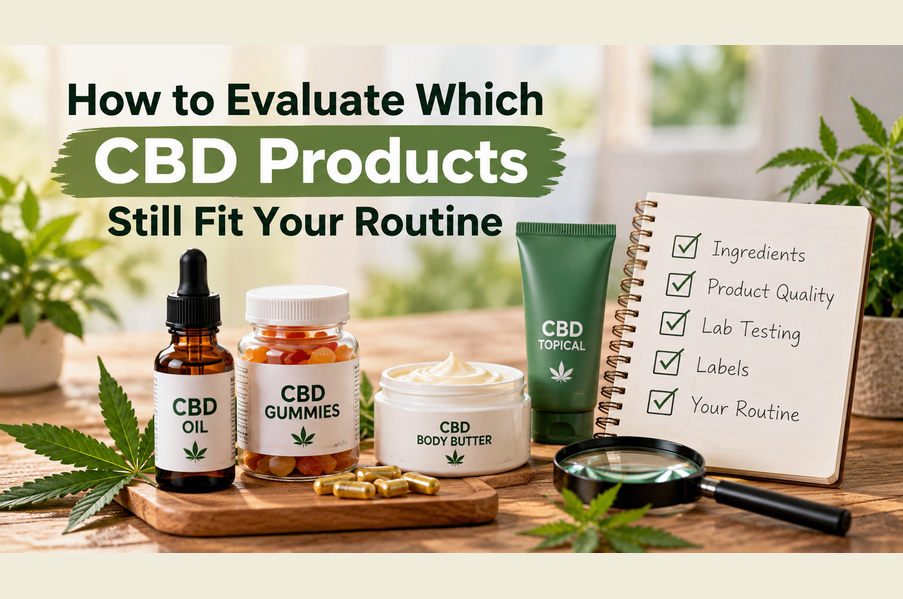
Create a Simple CBD Product Review Checklist
You do not need complicated tools to organize your products. A notebook or simple spreadsheet can make the process easier.
Use these seven checks during your next collection review.
- List Your CBD Products: Record names, formats, purchase dates, and storage locations.
- Check the Ingredients: Identify changed formulas, personal sensitivities, and unwanted additives.
- Review CBD and THC Levels: Compare package information with relevant laboratory results.
- Verify Third-Party Testing: Look for matching batch details and available testing categories.
- Check Expiration Dates: Inspect product condition, packaging, and recommended storage requirements.
- Compare Product Costs: Consider price, remaining quantity, and actual product use.
- Consider Health and Safety: Discuss medications, side effects, and health concerns with your clinician.
Review Each Product Before Making Changes
Create a short record for every product in your collection.
For example, write down the product name and purchase date. Add notes about packaging, ingredients, and available laboratory results.
Next, mark any unanswered questions requiring further attention.
This method helps you avoid replacing products without a clear reason. It also creates useful records for your next review.
Common Questions About Reviewing CBD Products
How Often Should I Review My CBD Routine?
Review products when ingredients, packaging, or personal circumstances change. Check expiration dates and storage conditions before using older purchases.
Does a Higher CBD Amount Mean Better Quality?
No. More CBD does not automatically indicate better quality or suitability. Product accuracy, testing information, and personal safety also matter.
Can CBD Interact With Medications?
Yes. CBD may change how certain medicines work in your body. Speak with a qualified healthcare professional before combining them.
What Should I Check Before Choosing Another CBD Product?
First, review what you already own and actually use. Then compare ingredients, product condition, testing information, and personal preferences.
Conclusion
A thoughtful CBD review begins with your existing product collection. Check what remains useful and what deserves further attention.
Consider product condition, ingredients, testing information, and daily convenience. Avoid making decisions based on packaging or marketing claims alone.
Green Mountain Hemp Company provides educational resources for comparing product information. Explore the Green Mountain Hemp Company website to learn more about available products and related guides.
Making informed choices means knowing when to keep, reconsider, or retire a product.
Sources and References
- U.S. Food and Drug Administration (FDA): What You Need to Know About Products Containing Cannabis or Cannabis-Derived Compounds, Including CBD. CBD safety, medication interactions, and product concerns.
- National Center for Complementary and Integrative Health (NCCIH): Cannabis (Marijuana) and Cannabinoids: What You Need to Know. Cannabinoid research, product quality concerns, and potential risks.
- U.S. Food and Drug Administration (FDA): What You Should Know About Using Cannabis, Including CBD, When Pregnant or Breastfeeding. Additional safety guidance for pregnancy and breastfeeding.